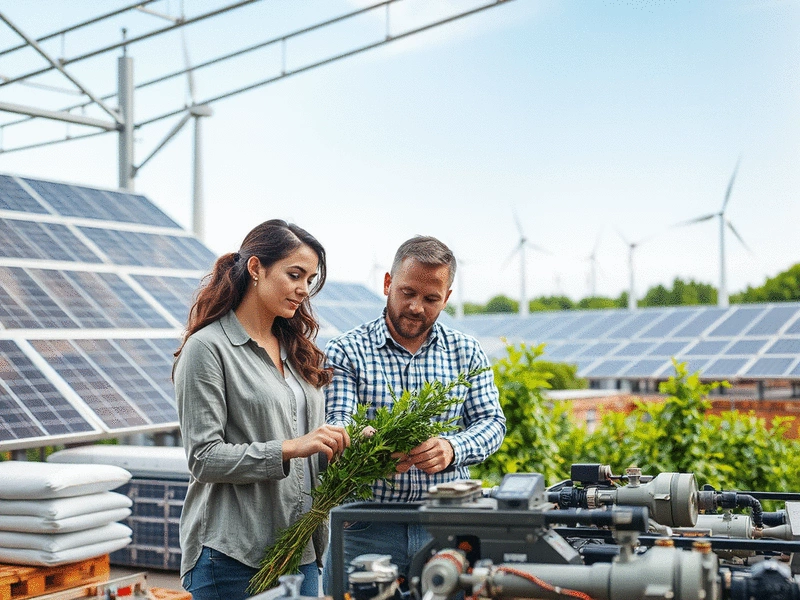
Resource Efficiency
Utilizing resources efficiently to minimize waste and reduce costs across production cycles.
The manufacturing landscape is changing rapidly, and sustainability is at the forefront. A recent study reveals that companies adopting eco-friendly practices not only improve their operational efficiency but also resonate better with increasingly eco-conscious consumers. This shift represents not just an opportunity, but a necessity for future growth.
Sustainable manufacturing is built upon core principles that drive environmental responsibility and operational efficiency. The diagram below illustrates these key concepts and their impact.
Utilizing resources efficiently to minimize waste and reduce costs across production cycles.
Implementing systems to minimize waste, encouraging recycling and reuse of materials.
Reducing energy consumption through innovative technologies and optimized operational practices.
Sourcing materials that are sustainable, have lower environmental impact, and are often recyclable.
The journey towards a sustainable future begins with understanding sustainable manufacturing. At Upbeat Industry, we believe this concept is not just a trend; it’s a vital approach for the manufacturing sector to thrive while respecting our planet. Sustainable manufacturing encompasses practices that minimize a company’s environmental impact, promoting efficiency and the responsible use of resources. By integrating sustainability into their operations, manufacturers can not only improve their bottom line but also contribute to a healthier environment.
Key concepts in sustainable manufacturing include resource efficiency, waste reduction, and the adoption of eco-friendly technologies. These practices are not merely optional; they are becoming essential for companies aiming to remain competitive in an increasingly eco-conscious market. By embracing sustainability, manufacturers can enhance their brand image, attract environmentally-aware consumers, and ultimately drive growth.
Sustainable manufacturing is grounded in several core principles that guide companies towards responsible practices. These include:
By focusing on these principles, manufacturers can significantly reduce their ecological footprint while still meeting production demands.
As our world faces increasing environmental challenges, the call for sustainable manufacturing practices grows louder. Companies are now expected not just to produce goods, but to do so in a way that respects our planet. Aiming for a reduced environmental footprint is essential in addressing climate change and resource scarcity.
Manufacturers that take proactive steps can not only meet regulatory requirements but also resonate with consumers who prioritize sustainability. This shift towards greener practices is becoming imperative for businesses looking to secure their future in the industrial landscape.
One of the most significant factors in sustainable manufacturing is the concept of the carbon footprint. This metric measures the total greenhouse gas emissions caused directly and indirectly by a company. Understanding and managing these emissions is vital for manufacturers aiming to enhance their sustainability efforts.
By actively managing their carbon footprint, manufacturers can demonstrate their commitment to sustainability while also reaping the benefits of operational efficiency and enhanced reputation.
As we dive deeper into sustainable manufacturing, we’d love to know your thoughts! What challenges have you faced in implementing sustainable practices in your business? Share your experiences below:
As we reflect on the importance of sustainable manufacturing, it’s essential to recognize the myriad strategies we can adopt to significantly reduce our environmental footprint. These strategies not only enhance operational efficiency but also promote a healthier planet. Here are some key takeaways:
By focusing on these areas, businesses can align themselves with global sustainability goals and pave the way for a more resilient industrial future. It’s exciting to see how more companies are recognizing that sustainable practices can coexist with profitability!
The future of sustainable manufacturing looks promising as more organizations pivot towards greener practices. One key trend is the increasing integration of renewable energy sources into production methods. This shift not only lessens reliance on fossil fuels but also enhances brand reputation among environmentally conscious consumers.
As Nathaniel Becker, founder of Upbeat Industry, often emphasizes, embracing these trends can transform not only our operations but also the very perception of the manufacturing sector. We have a unique opportunity to lead the way in this transformative era!
To thrive in this evolving landscape, businesses must explore sustainable models that promise long-term success. One approach is to implement subscription-based models that encourage recycling and reuse. This not only reduces waste but also fosters a loyal customer base.
These models enhance customer engagement and reflect a commitment to ecological stewardship. At Upbeat Industry, we believe that innovation driven by sustainability can redefine our future.
Now is the time to take action and embrace sustainable manufacturing practices! Every company, regardless of size, can contribute to a greener future. Start by assessing your current processes and identifying areas where you can implement changes.
By prioritizing sustainability, businesses not only comply with regulations but also build trust with stakeholders and consumers. It’s vital to cultivate a culture that values sustainability across all levels of your organization. Remember, small changes can lead to significant impacts!
There are numerous resources available to help you on this journey. Organizations like the Institute of Sustainable Manufacturing provide valuable insights and support for businesses looking to adopt more sustainable practices. Additionally, consider engaging with local universities and research institutions for collaboration opportunities.
Taking advantage of these resources can provide your business with the knowledge and tools necessary for effective implementation.
Finally, it’s essential to involve stakeholders in your sustainability initiatives. Engaging employees, suppliers, and customers in dialogue about your sustainability goals not only fosters buy-in but also generates valuable ideas and feedback. By working together, we can achieve shared success and contribute to a sustainable future!
At Upbeat Industry, we’re committed to celebrating the innovations that arise from such collaborations. Let’s join forces in our mission to reshape the narrative of the manufacturing sector for generations to come!
Here is a quick recap of the important points discussed in the article:
Nathaniel Becker is a passionate advocate for the manufacturing sector, dedicated to uncovering and sharing stories of innovation and success across the global industrial landscape. With a keen eye for emerging trends and a background in industrial reporting, Nathaniel aims to inspire confidence in the future of manufacturing through compelling narratives and insightful analyses.


